
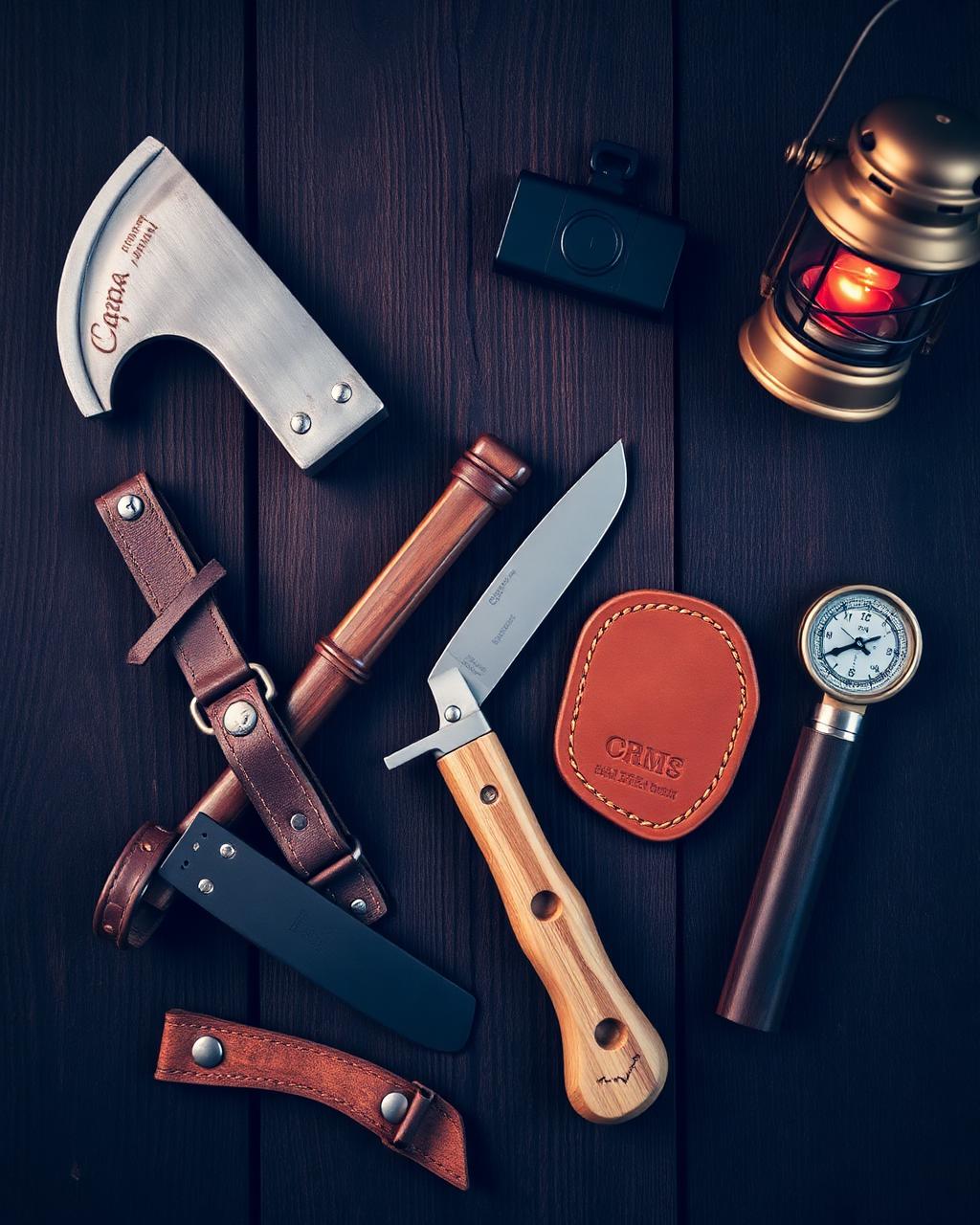
Bushcraft gear checklist: what you actually need
Ten things that earn their place in the pack, five that don't, and the honest reasons why.
Bushcraft kit lists are everywhere, and most of them read like a sponsorship grid. This isn't that. This is the gear we actually carry after a few hundred nights out — what stays in the pack between trips, what gets swapped, and what we stopped buying once we knew better.
The goal of bushcraft isn't owning gear. It's needing less of it. A good checklist gets you to the woods quickly and then gradually shrinks as your skills grow. Start here.
The core 10
- 01
A fixed-blade knife
The single most useful tool you'll own. 4–5 inch blade, full tang, high-carbon or stainless — both work. Skip the saw-back, skip the hollow handle. A boring knife you trust beats a clever one you don't.
- 02
A ferro rod
Lights wet tinder, lasts thousands of strikes, doesn't care about altitude or temperature. Bring a lighter too — but the ferro rod is the one you can't replace with a convenience store.
- 03
A canvas or silnylon tarp
More versatile than any tent. A 3x3m tarp pitches a dozen ways, lets you keep a fire close, and packs down small. Add 6m of guyline and four lightweight stakes.
- 04
A metal pot or billy can
One pot that can boil water, cook a meal, and live directly in coals. Stainless steel or titanium. Add a bail handle and a lid you can use as a plate.
- 05
A wool layer
Merino base, wool overshirt, or both. Insulates wet, dries fast, doesn't reek after three days. The single best upgrade most beginners can make.
- 06
Cordage
A 15m hank of paracord and a smaller spool of bankline. Ridge lines, repairs, snares, drying lines, bear hangs. You'll always want more than you brought.
- 07
A small first-aid kit
Pressure bandage, tape, tweezers, painkillers, a few blister patches. Build it yourself — pre-made kits are mostly packaging.
- 08
A headlamp + spare batteries
Hands-free, red-light mode for camp, fresh batteries before every trip. Cheap headlamps fail in the cold; spend a little here.
- 09
Map, compass, and the skill to use them
A phone is a fine backup, not a primary. A laminated map and a baseplate compass weigh almost nothing and never run out of battery.
- 10
Water filter or tablets
A squeeze filter for most trips, chlorine dioxide tablets as a backup. Treat every source you didn't see fall from the sky.
Five things you can probably skip
- —Survival cards and credit-card multi-tools. A real knife and a real ferro rod do everything they pretend to.
- —Hollow-handle "survival" knives. Weak tang, rattles, and the compass in the pommel never points north.
- —Branded fire starters. Vaseline cotton balls in a zip bag work better and cost almost nothing.
- —Heavy "tactical" packs. A 40–55L hiking pack carries the same load with half the weight and twice the comfort.
- —Cotton clothing (outside camp). Wet cotton is a hypothermia delivery system. Save the t-shirt for the truck.
How to grow the kit
Once the core 10 are dialled, add gear that solves a problem you've actually hit — not one you've read about. A folding saw after the first time you couldn't process firewood. A small axe after your knife wasn't enough. Hammock and underquilt after a night on roots.
Skill compounds; gear doesn't. A weekend learning three pitches and two knots will do more for your nights out than any single purchase.
FAQ
What is the most essential piece of bushcraft gear?
A reliable fixed-blade knife. Everything else is easier to improvise around a good knife than the other way around.
Do I need expensive gear to start?
No. A solid knife, a ferro rod, a tarp, a pot, and a wool layer will get you a long way for under $200.
Tarp or tent?
Tarp for versatility and skill-building. Tent for bug-heavy or storm-prone trips. Most experienced bushcrafters own both.