
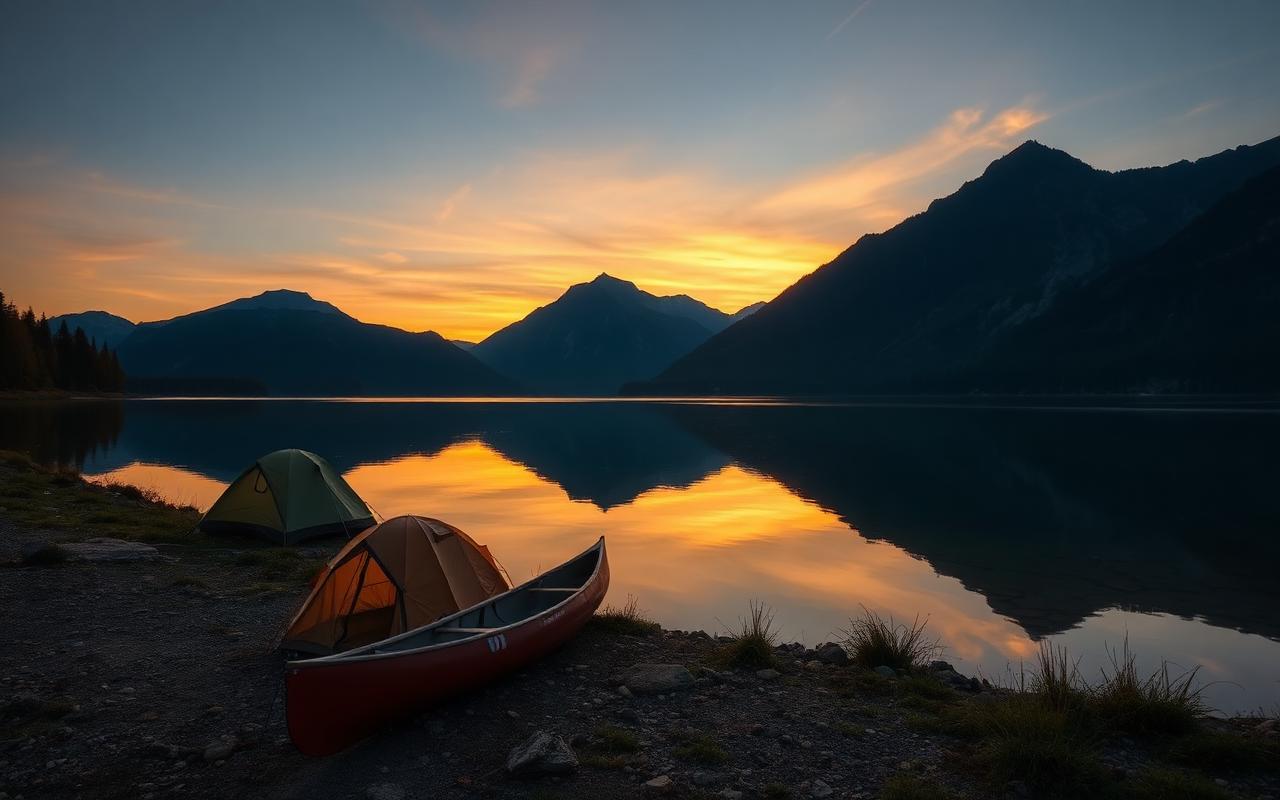
Why we stopped using ultralight tarps
After two soaked nights and one beautiful morning, a long-form rethink of the comfort-to-weight balance.
We were ultralight true believers for three seasons. The pack numbers got lower, the spreadsheets got prettier, and the shelters got smaller and smaller until we were sleeping under 280 grams of silnylon strung between two trekking poles. Then we had a couple of nights that changed our minds.
This isn't a takedown of ultralight gear — it's a story about what "light" actually costs, and what we carry now instead.
The two nights
The first soaking was sideways rain on an exposed col. A tarp pitched low does fine in vertical weather. In sideways weather, it does not. We spent six hours nursing a wet sleeping bag and promised ourselves we'd buy a bivy "next time."
The second was condensation — the silent killer of ultralight shelters. Cold ground, warm body, no airflow. By dawn the inside of the tarp was raining on us almost as steadily as the sky had the night before.
What we got wrong about "light"
The mistake wasn't the tarp itself — it was treating grams as the only number that mattered. The real cost of a marginal shelter shows up in sleep quality, recovery, mood, and the willingness to do a hard day after a bad night.
We started weighing a different metric: nights you'd happily do again. Suddenly the spreadsheet looked different.
What we carry now
- — A proper double-wall tent around 1.4kg. Worth every gram once the wind picks up.
- — Slightly heavier sleeping bag with a hydrophobic down fill. Insurance against moisture.
- — A small square of foam to sit on at camp. Comfort weighs almost nothing.
- — The same merino layers as always. Wet wool still keeps you warm — wet synthetics do not.
When a tarp still wins
We haven't thrown the tarp away. For dry summer ridges, fast fastpacking days, or any trip where weather is genuinely predictable, it's still the best tool we own. The lesson wasn't "tarps are bad." It was "match the shelter to the worst night, not the best one."
Pick the shelter for the night you don't want to remember, and you'll get a lot more mornings you do.